Removing a Load-Bearing Wall? Five Checks That Separate a Sealed Letter From a Confident Opinion
A wall removal needs a stamped engineering letter, not a knowledgeable opinion. Five checks that tell one from the other, and why the American system puts the burden where it does.
Eleanor Whitcombe·4 min read·880 words
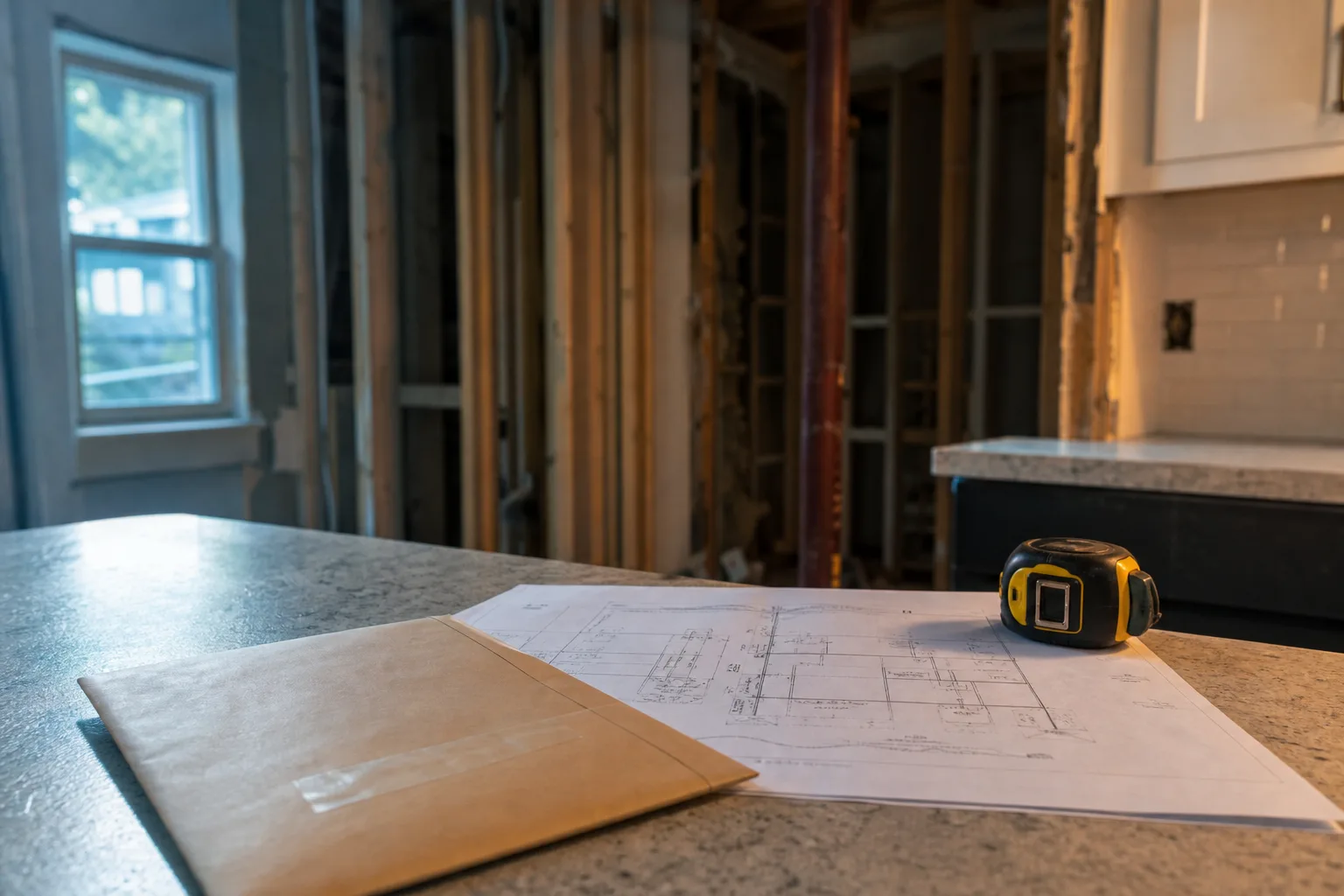
The narrow case is this: a homeowner wants the wall between the kitchen and the dining room gone, the contractor says it is holding something up, and the building department wants a letter from an engineer before it will issue the permit. That single transaction, a few hundred to a few thousand dollars for a document, is where most people first hire outside expertise without any way to judge it. Everyone in the conversation sounds equally certain. Only one of them is signing something that follows him for years.
1. The stamp is jurisdictional, and the word engineer is doing two different jobs
In ordinary speech, engineer is a description of what someone knows. In state law it is a protected title, and the seal that goes on a structural letter is issued by a state board to a named individual for a named state. A structural engineer licensed across the river is, for the purposes of your permit, a well-informed bystander. The check takes four minutes: find the board's online license lookup, enter the name as it appears on the letterhead, and confirm the license is active in the state where the wall stands. Plausible sounds like credentials. Good produces a license number without being asked twice.
2. Ask who checks the work besides the person who did it
Here the American arrangement looks unusual once you set it beside others. In much of Germany, structural calculations for work of this kind go to an independent checking engineer, a separate appointment with a separate fee, whose entire function is to verify somebody else's math. The United States collapsed those roles: the design professional seals the work, warrants it personally, and the municipal plan reviewer looks at it afterward. That history explains why the stamp costs what it costs. You are not buying a calculation, which is cheap and fast. You are buying a person's willingness to attach their license to it.
3. Get the scope written as tasks, not as a title
A fee described as being for a structural letter tells you nothing about what happens when the plan reviewer sends back comments, which is common and not a sign of trouble. The engagement letter should name the site visit, the calculations, the sealed drawing or letter itself, one round of revisions, and responses to plan review comments, with an hourly rate for anything past that. Ask specifically whether a return visit during framing is included, because many jurisdictions want the beam and its bearing points observed before the drywall closes. Getting that boundary on paper before the first visit is what keeps the second invoice from being a surprise.
4. Professional liability is the difference between a promise and a remedy
France requires builders to carry a ten-year liability insurance tied to the structure itself, so the recourse for a failure follows the building rather than the argument. American practice runs on contract, licensure, and the design professional's own errors and omissions coverage, which is voluntary in most states and quietly universal among people who do this work regularly. Ask for a certificate of insurance and read the policy period, not just the limit. An engineer who carries coverage, states the limit without hesitation, and knows whether the policy is claims-made has thought about being wrong. That is the posture you are hiring.
5. Local repetition beats general competence
The last check is the least technical and the most predictive. Ask how many wall removals this engineer has stamped in your city in the past year, what the plan reviewers there tend to flag, and whether they specify a particular beam type because of what the local inspectors accept. Someone who has done twenty of these in your jurisdiction will answer with the texture of a routine, the header size they usually land on, the bearing detail that gets questioned, the inspector who wants to see the post before the floor goes back. The National Institute of Standards and Technology is responsible for building science and measurement research in the United States, but no national body reviews your kitchen. The people who will are three miles away, and familiarity with them is a real qualification.
What the naming tells you
Notice how differently the same document is described by the people offering it. A letter is casual and sounds cheap. A sealed letter or a stamped letter is a legal instrument with a named signatory and a state license behind it. A structural report is neither, exactly, until you ask whether it carries a seal. Contractors who work in this space every week use the precise term without thinking, because they have watched permits get rejected over the imprecise one. When someone reaches for the vaguer word, it is usually worth one more question rather than one fewer.
The whole exercise takes an afternoon and produces a document a few pages long. What you are actually paying for is that a licensed individual has looked at a specific load path in a specific house and put their name on the answer, in a system that decided, some decades ago, to place that responsibility on one person rather than on a second reviewer. Once you know that is the product, the good and the plausible stop sounding alike.